Description:
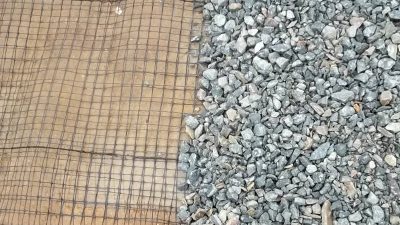
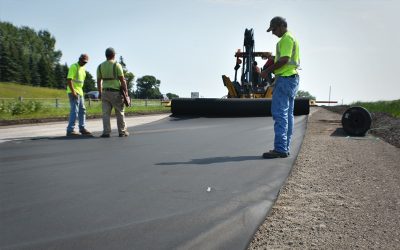
Cherokee Manufacturing supplies Tensar® geogrids, the original punched and drawn geogrid invented in the 1970s and still the industry benchmark for subgrade stabilization, base reinforcement, and structural fill applications. Geogrids work by locking aggregate into their apertures, spreading load over a wider area and letting contractors build stronger roads, pads, and slopes with less imported fill. Biaxial and multi-axial Tensar grids provide stabilization and filtration for roadbeds and foundations, while uniaxial grids provide reinforcement for walls and slopes. Talk with our team about matching the right Tensar geogrid family to your project.
GeoGrid Benefits:
- Reduces the amount of aggregate needed for roads, pads, and parking areas
- Extends pavement and roadway service life by confining and interlocking aggregate
- Cuts construction time and hauling costs on subgrade stabilization projects
- UV-resistant and will not rust, leach, or degrade in direct sunlight
- Can be trenched or punched through for posts, piers, and utilities
- Backed by decades of independent testing and proven design performance
Tensar InterAx® Geogrids
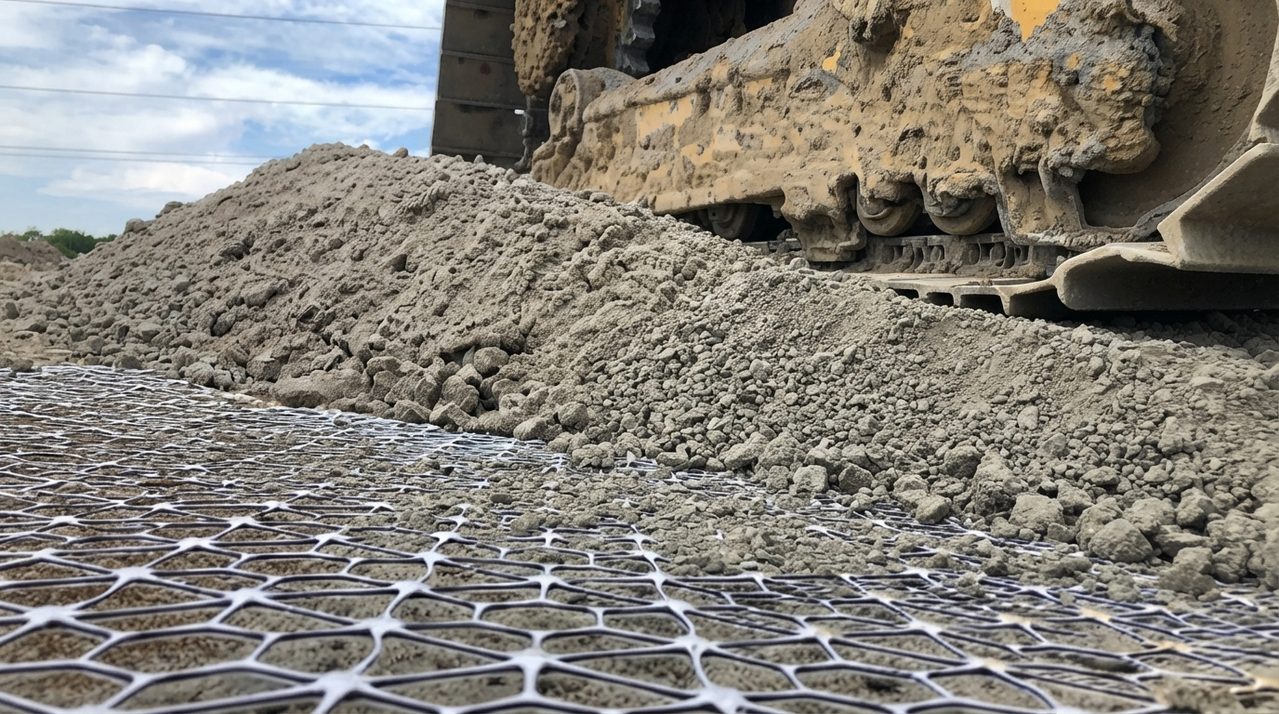
Tensar’s highest-performing geogrid line, combining coextrusion technology, advanced material science, and an optimized rib geometry. InterAx grids deliver the strongest aggregate confinement in the Tensar lineup, making them the choice for the most demanding stabilization and heavy-traffic applications.
Tensar H-Series™ Geogrids
H-Series grids bring the same optimized geometry principles found in Tensar’s premium lines to a more economical price point, giving contractors a cost-efficient way to stabilize roads, lay-down yards, and parking areas without sacrificing performance.
Tensar TriAx® (TX) Geogrids
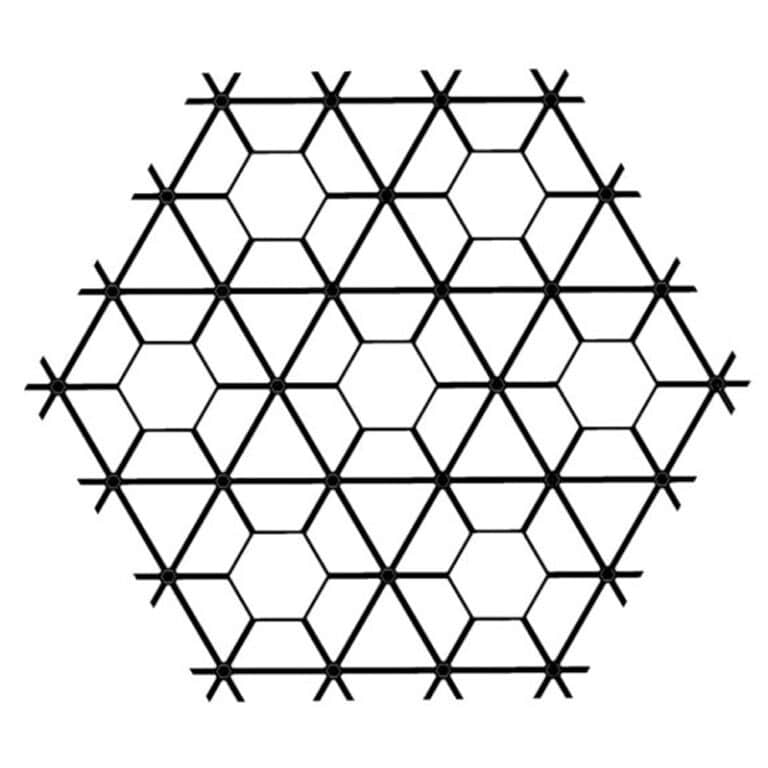
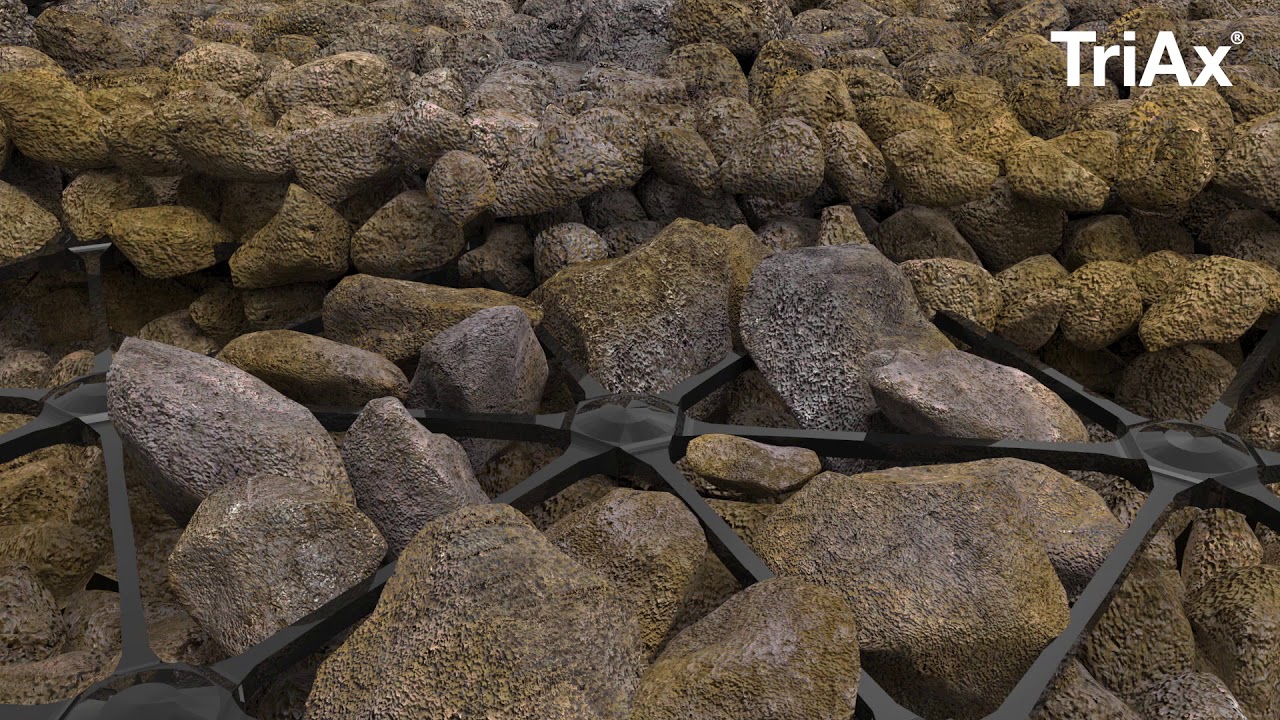
A multi-axial geogrid built on a triangular rib pattern that distributes stress more evenly than a standard square grid. TriAx grids are a popular mid-tier choice for subgrade stabilization, unpaved and paved roads, and parking lots.
BX Biaxial Geogrids
Tensar’s original geogrid design. The square-aperture biaxial grid remains a proven, dependable option for base reinforcement and separation where a straightforward, well-documented solution is called for.
Uniaxial (UX) Geogrids
Built to carry high tensile loads in a single direction, UX grids are the go-to reinforcement for retaining walls, reinforced slopes, and embankments where long-term degradation resistance matters most.
Tensar FilterGrid™ Solutions
A composite product that combines the aggregate confinement of a geogrid with the added filtration assurance of a bonded nonwoven geotextile, useful where separation and filtration both matter alongside stabilization.
AmeriGrid® Geogrid
A lightweight, easy-to-handle roll geogrid suited to hardscaping, jobsite access, and smaller retaining wall projects where a manageable, easy-to-cut grid is preferred.
See Tensar Geogrids in Action
Tensar GeoGrid FAQs
A geogrid locks aggregate into its openings, called apertures, spreading loads over a wider area of soil so roads, pads, and slopes need less imported fill and hold up longer under traffic.
Biaxial and multi-axial grids (like TriAx and InterAx) provide stabilization and filtration for roadbeds and foundations, while uniaxial grids provide reinforcement for retaining walls and reinforced slopes.
For retaining walls, a common rule of thumb is to bury the grid at roughly 10% of the wall height. For road stabilization, depths of 6 to 12 inches are typical. Always confirm exact requirements with a civil engineer for your specific project.
Yes, Tensar geogrids are routinely excavated or punched through to place guardrail posts, piers, and underground utilities without compromising the surrounding stabilized section.
It depends on load, traffic, and soil conditions. Give our team a call with your project details and we’ll help match you to the right Tensar geogrid family and roll size.